Military service takes a toll on hearing. Noise-induced hearing loss is one of the most common injuries Canadian veterans carry home. If that's your reality, Team Canada Deaf Hockey wants you to know the game isn't over.
Weapons fire, explosions, aircraft, and heavy equipment expose service members to sound levels that permanently damage hearing. It often develops gradually and may go unnoticed for years.
Many veterans live with tinnitus (ringing in the ears) alongside varying degrees of hearing loss. Both conditions are recognized as service-related injuries and are among the most common veteran disabilities in Canada.
Hearing loss doesn't end your hockey career. Deaf and Hard of Hearing players compete at national and international levels every year. Veterans with qualifying hearing loss can be part of that community.
To compete at World Championships and the Deaflympics, players must meet ICSD hearing eligibility standards. Many veterans with service-related hearing loss already qualify.
Players must have a minimum hearing loss of 55 dB in the better ear, unaided. This is assessed without hearing aids or cochlear implants. During competition, all amplification devices are removed.
Veterans with noise-induced hearing loss from military service frequently meet or exceed this threshold.
If you wear hearing aids in daily life, you may still be fully eligible. Eligibility is based on your unaided hearing, not whether you use hearing assistance devices. Many of our athletes use hearing aids day-to-day.
Your audiogram from Veterans Affairs Canada may already contain everything needed to confirm eligibility.
If you've had a hearing test through Veterans Affairs Canada or any audiologist, bring that documentation and we'll help you understand whether you qualify. If you haven't been tested, that's a good place to start.
Ask us directlyHearing loss caused by military service is recognized hearing loss. Whether it came from weapons training, deployment, or years of exposure to industrial noise on base, your experience is valid and your eligibility is real. You don't need to have been born Deaf to belong in this community.
Questions about eligibility? Contact us and we'll walk you through it.
Deaf hockey is for anyone with qualifying hearing loss. That includes veterans, recently released service members, and military family members navigating hearing loss alongside someone they love.
If you played hockey before you served and hearing loss has made you feel disconnected from the game, this program is a way back. The rules don't change. The intensity doesn't change. The only difference is that everyone on the ice understands the communication challenges you face.
Never played before? It's not too late. Many players come to the sport as adults and find community, physical challenge, and a team environment that feels familiar to anyone who has served. Hockey is a team game. Veterans already know how to operate in one.
If someone in your family is navigating hearing loss after military service, this program may be an avenue worth exploring. Deaf hockey provides community, structured sport, and a network of people who understand what hearing loss means in everyday life.
Currently serving and already living with hearing loss? You don't have to wait until you release to connect with this community. Reach out and we'll talk through your situation and what options look like for you.
Sport does more than keep you fit. For veterans, structured team competition provides purpose, camaraderie, and a reason to push yourself — things many miss after leaving service.
Deaf hockey players understand what it's like to operate in a world that isn't designed for them. The team dynamic in Deaf hockey is built on trust, visual communication, and reading the game without sound. Veterans who have operated in high-stress, communication-intensive environments often find this environment familiar.
Hockey demands conditioning, discipline, focus, and grit. For veterans seeking a structured physical outlet after service, this is a high-intensity environment that rewards the work ethic and competitive drive that military training builds.
Team Canada competes at World Championships and the Deaflympics. Athletes who make the national roster represent Canada on the world stage. For veterans who served to protect this country, wearing the maple leaf in international sport carries real meaning.
One of the hardest parts of transitioning out of service is losing the unit. Deaf hockey doesn't replace that, but it offers something real: a group of people who work together, hold each other accountable, and show up for each other on and off the ice.
Veterans bring something to a team that's hard to teach: they know how to operate under pressure, they understand chain of command, and they don't quit when things get difficult. Those qualities make them strong athletes and strong teammates.
Hearing loss doesn't erase any of that. It just changes the environment you compete in. Deaf hockey is built for that environment. If you have the hearing loss and the drive, we want to hear from you.
Reach OutStraight answers to what we hear most from veterans and their families.
Potentially, yes. The eligibility standard is a minimum unaided hearing loss of 55 dB in the better ear, regardless of the cause. Noise-induced hearing loss from military service counts. If you've had an audiogram through Veterans Affairs Canada or any audiologist that shows this level of loss, you may already qualify. Contact us and we'll help you understand what your documentation means.
No. Eligibility is based on your unaided hearing, not your hearing aid use. Whether your hearing loss pre-dates service, worsened during it, or developed entirely from it, what matters is where your hearing sits without amplification devices. Many Deaf hockey players use hearing aids in daily life.
No. While Team Canada competes at the elite international level, the Deaf hockey community includes players at every skill level. Connecting with us is the first step whether you want to find local Deaf hockey, work toward a national camp, or just get back on the ice in an environment that works for you.
It's not too late. Adult beginners can and do find their way into hockey. We can help connect you with learn-to-skate programs, adult recreational leagues, and the broader Deaf hockey community where you can develop your game at your own pace. Reach out and we'll point you in the right direction.
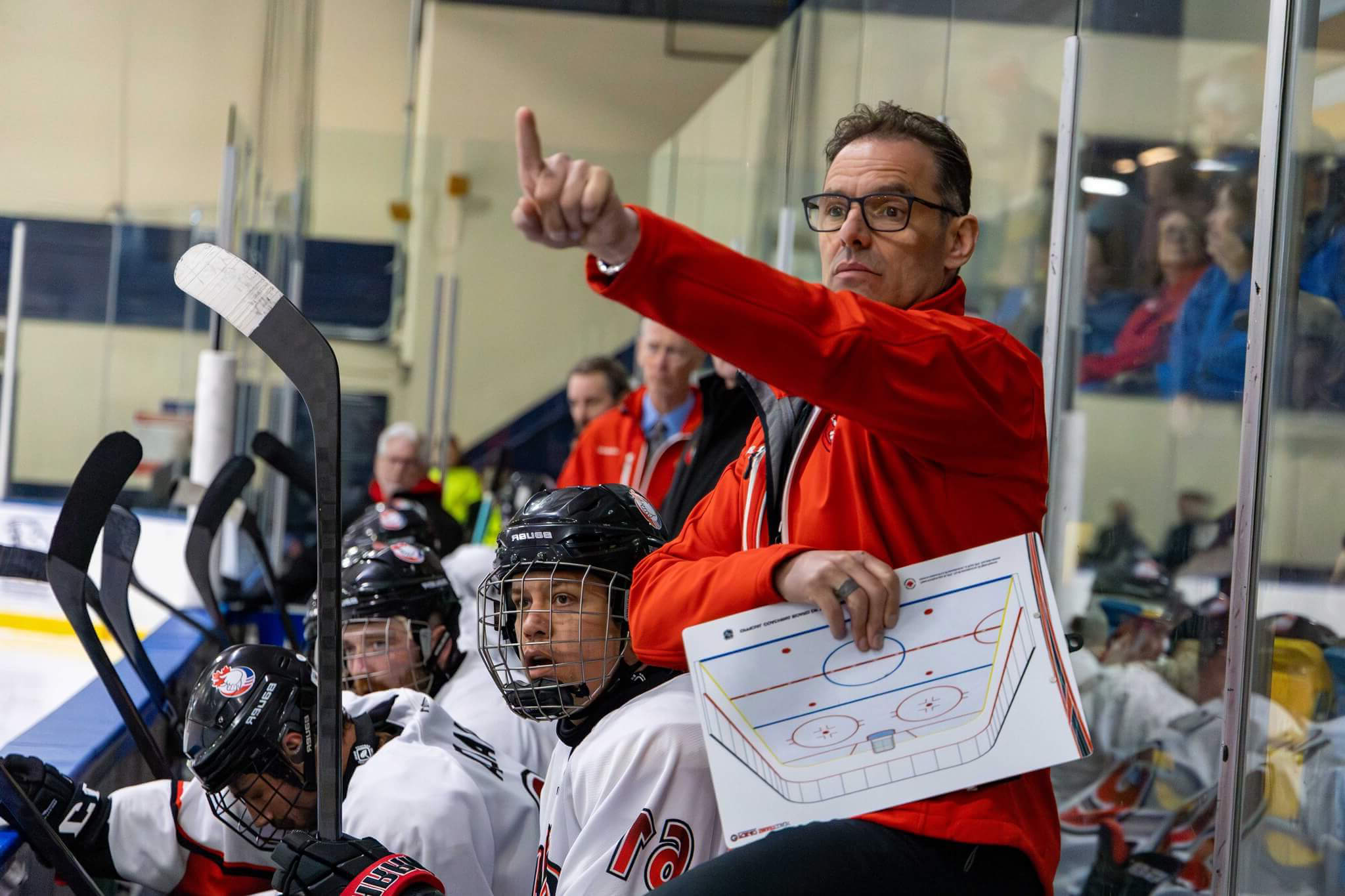
Deaf hockey uses visual signals and adapted communication to run the game. Referees use exaggerated visual cues, coaches and players develop visual communication systems on the bench, and teams build plays around what players can see. It's a complete and competitive game, just communicated differently.
We'd encourage veterans to explore what programs and benefits Veterans Affairs Canada offers for recreation and rehabilitation related to service injuries. While Team Canada Deaf Hockey does not have a formal partnership with VAC, sport participation is often recognized as part of broader rehabilitation for veterans with hearing loss and other service-related conditions. Speak with your VAC case manager for specifics.
If military service cost you your hearing, it doesn't have to cost you the game. Reach out, tell us your situation, and let's figure out if Team Canada Deaf Hockey is the right next step for you.